Showing posts with label Fabric. Show all posts

Wednesday, June 2, 2010

Green Leather!?! Yes!!

by Jeanne Latoures
Edelman Leather, ASID Industry Partner

Full grain leather says luxury, but it is also very practical! Leather is durable, breathable, easy to clean and a natural product. That should translate to “Green” right?

Not always. To consider a product’s sustainability, you must consider how it is processed. Leather happens to be a byproduct of the food industry. By using the byproducts of the meat industry, waste is eliminated!
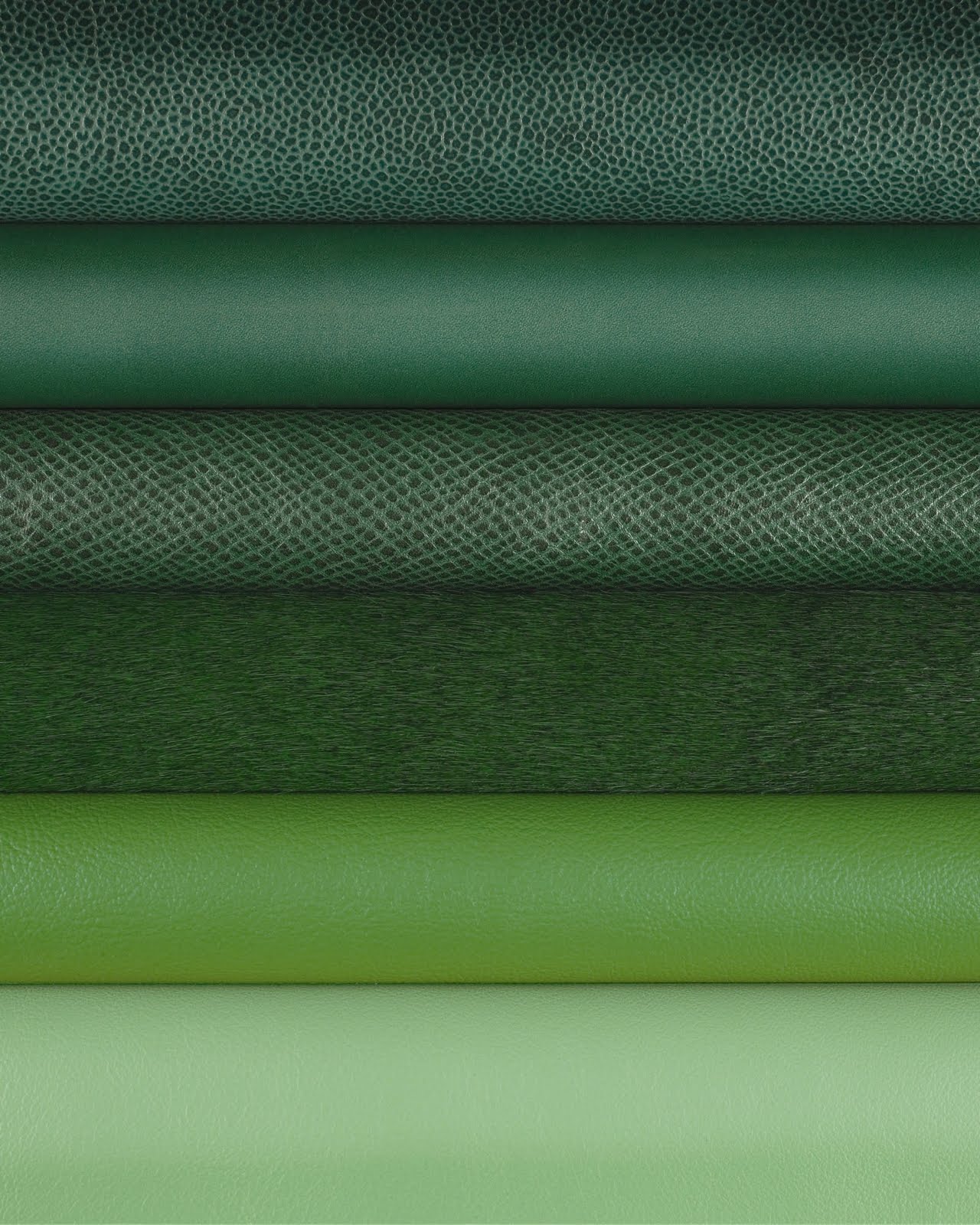
The processing of the hide is key. A tanning process that is built mostly around water-based materials which limit emissions of VOC’s (Volatile Organic Compounds) is best. Leathers that are tanned solely with tree bark extract, i.e. Quebracaho, Mimosa, and Oak, are referred to as “Vegetable Tannage.” This is a great example of how old-fashioned techniques can be inherently green when compared to highly mechanized, industrial methods. Vegetable tannage takes longer, so many companies hesitate to use it, but it is a truly “Green” method.

European full grain leather is the best! In Europe, grazing land is limited. The animals live on well-kept farms where they are grass fed, cleaned and put in at night. This preserves the land’s natural plant and wildlife balance and produces hides that are largely unstained & unscarred. The natural grain is beautiful, making it unnecessary to sand off or hide any flaws with embossing. Additionally, because full grain is unblemished, it is possible to use translucent dyes rather than heavy layers of pigment.

Full grain leathers that are aniline dyed and have small amounts of pigment in the finish have a lifespan 4 to 5 times that of fabric. Therefore, the life of a leather chair, even in a hotel lobby, is extended substantially. This eliminates waste, both financially and physically. As full grain leather patinas in, it gets better with age!

Edelman Leather uses all of the practices above. All Edelman Leathers are Green Guard Certified. Each leather has been tested and approved. Almost all Edelman packaging and shipping materials are from recycled products and are recyclable themselves.

For more information please visit http://www.edelmanleather.com/ or contact Jeanne Latoures 619.274.3042 or jeannel@edelmanleather.com.

Friday, November 13, 2009

Sustainable Fabrics

by Taylir Villanova, ASID Eco Committee Member 
Tatterdemalion, ASID Industry Partner
When I first heard of sustainable fabrics, I was flabbergasted. I had never thought of fabric as not being green. I thought that fabric was made from fibers, these fibers were natural and, therefore, the fabrics must be natural too.

Well, not quite. What I had failed to take into account was: a) How the fibers were grown, and: b) What processes the fibers went through to become a fabric -- two vital pieces of information.

When I started doing some research, I found that most “fabric” fibers are being grown on large industrialized fields where they use pesticides and chemicals to “treat” the plants. When harvested, the fibers go through even harsher chemical treatments in order to break them down to be processed and woven into fabric. I thought there must be a safer, less toxic way!

Hemp has been used for hundreds of years by people all over the world, including one of our founding fathers, George Washington, to make rope. Hemp is an amazing plant. It actually acts as a natural pesticide and doesn’t require any toxic chemicals to protect it from insects. It eliminates the need for harsh chemical toxins and pollutants. And not just for the hemp plant itself, but for any plants growing around it, including vegetables we eat. When compared to the same acreage of forest, hemp actually cleans the air 5% faster than trees. Hemp is one of the most durable fibers there is, making it one of the most durable fabrics available (an example of 100% hemp fabric is shown at right, and examples of fabric made from 60% hemp/40% silk charmeuse are shown above and below.)

Cotton, another fabric that people buy a lot of, is the most heavily sprayed field crop on the planet. Did you know that in California 1¼ lbs of agricultural chemicals is used to produce the conventionally-grown cotton in a single set of queen-size sheets? This can’t be healthy for us or the environment. Did you know that if you were to grow that same amount of cotton between rows of hemp, there would be no need for the pesticides?

It’s time to select our fabrics with our health and environment in mind.

For more information please check out our web-site http://www.tatterdemalioninc.com/, click on “Products and Services”, and then click on “Green Fabrics”. Or, if you would like to contact me directly, my name is Taylir Villanova and my phone number is 877.629.2299. I will be happy to help you with any green workroom concerns and any green fabric questions you have. Please note that we offer a full line of sustainable fabrics.